The government of Mali has officially endorsed Morocco’s autonomy proposal for Western Sahara, marking a notable shift in African diplomatic positions on one of the continent’s longest-running conflicts.
Malian Foreign Minister Abdoulaye Diop stated that Bamako views the Moroccan initiative as a pragmatic framework to resolve the decades-long dispute between Rabat and the Polisario Front, which is backed by Algeria. He also confirmed that Mali no longer recognizes the self-proclaimed Sahrawi Republic.
Morocco’s proposal envisions broad autonomy for the territory, including locally elected legislative, executive, and judicial bodies, while the central government retains control over sovereign domains such as defense and foreign policy.
In contrast, the Polisario Front continues to call for a UN-supervised referendum on self-determination, including the option of independence, as originally stipulated in the 1991 ceasefire agreement.
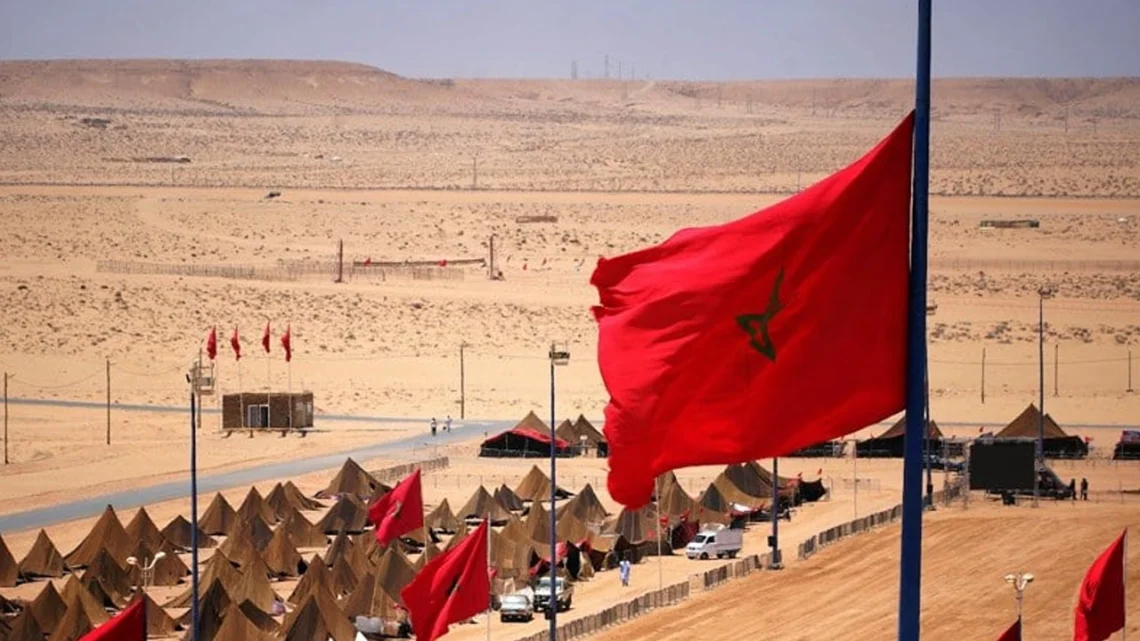
Mali’s move follows similar endorsements by Kenya and Ghana, while more than twenty countries—mostly African—have opened consulates in the territory, signaling support for Morocco’s claims.
The dispute over Western Sahara dates back to 1975, following the withdrawal of Spain, the former colonial power.
Rising Tensions with Algeria
Mali’s announcement comes amid escalating tensions with Algeria, particularly after an incident involving the downing of a Malian drone near the shared border in the Tinzaouaten area of Kidal region.
Bamako described the incident as a hostile act aimed at obstructing its military operations against armed groups, while Algeria maintained that the drone had violated its airspace and was conducting military surveillance.
Meanwhile, Mali—alongside Niger and Burkina Faso—has supported a Moroccan initiative to grant landlocked Sahel states access to the Atlantic Ocean via Moroccan ports.
Autonomy Plan and UN Process
Morocco first presented its autonomy initiative in April 2007 in response to calls by the United Nations Security Council for a political solution.
Recent UN resolutions have described the plan as a “realistic basis” for negotiations, urging all parties to resume talks.
The initiative gained further momentum after the United States recognized Moroccan sovereignty over the territory in 2020, followed by growing support from Western powers such as France and the United Kingdom.
However, both the Polisario Front and Algeria continue to reject the proposal, insisting on a referendum on self-determination under UN auspices.