The Senegalese government has suspended all non-essential foreign travel for ministers and senior officials, warning of extremely difficult times ahead as rising global oil prices—driven by the U.S.-Israel conflict with Iran—place increasing strain on the state budget.
The war and Iran’s effective closure of the strategic Strait of Hormuz have disrupted global energy markets, significantly driving up benchmark Brent crude prices and prompting governments worldwide to take measures to mitigate the negative impacts.
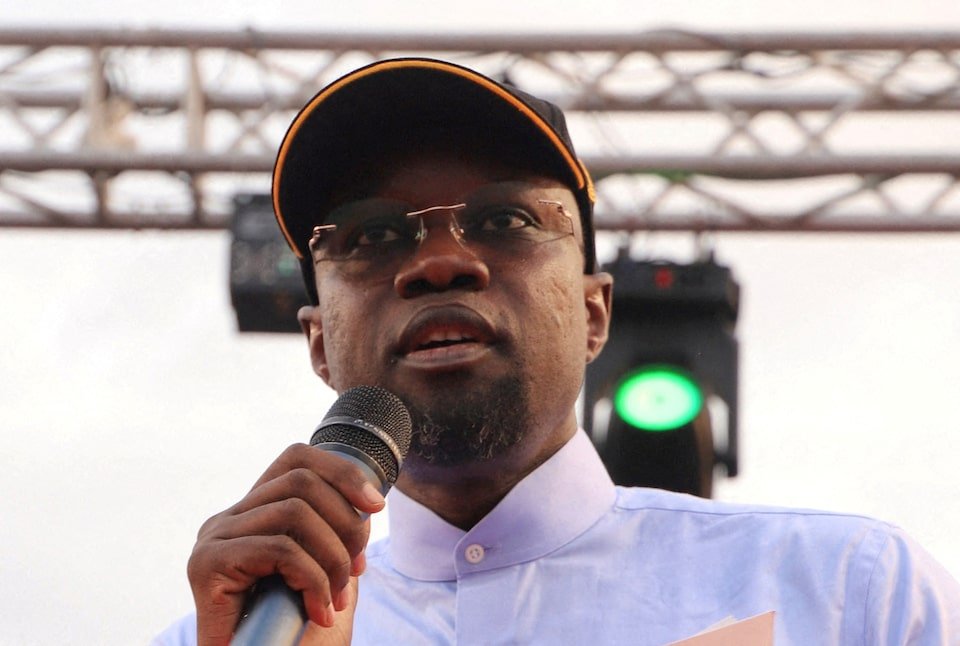
In a speech delivered at a youth event in the coastal city of Mbour, Senegalese Prime Minister Ousmane Sonko stated that oil prices are currently trading at around $115 per barrel—nearly double the $62 per barrel assumed in Senegal’s budget forecasts.
He said, “No minister in my government will leave the country except on a mission essential to the work we are currently undertaking,” adding that he has already canceled his scheduled trips to Niger, Spain, and France.
Governments across West Africa and around the world have moved quickly to respond to the crisis, implementing measures such as raising fuel prices, providing subsidies, and shifting to remote work. Sonko cited these steps as justification for Senegal’s own measures, particularly given its high debt burden.
He added that additional measures will be announced next week, and that the Minister of Energy and Mines is expected to address the nation in the coming days to outline efforts to cushion the impact of the price shock.