Nigeria’s political landscape is facing a new escalation after the Independent National Electoral Commission (INEC) refused to recognize a newly formed opposition coalition known as the “Democratic Labour Party,” in a move that has sparked widespread controversy and triggered an open confrontation between the opposition and the ruling authorities.
The decision comes at a time when the opposition alliance is seeking to unify its ranks ahead of upcoming elections. However, the commission stated that the party’s legal status does not permit its recognition in its current form, prompting it to suspend the party’s leadership and freeze its activities pending a final court ruling to resolve the internal dispute.
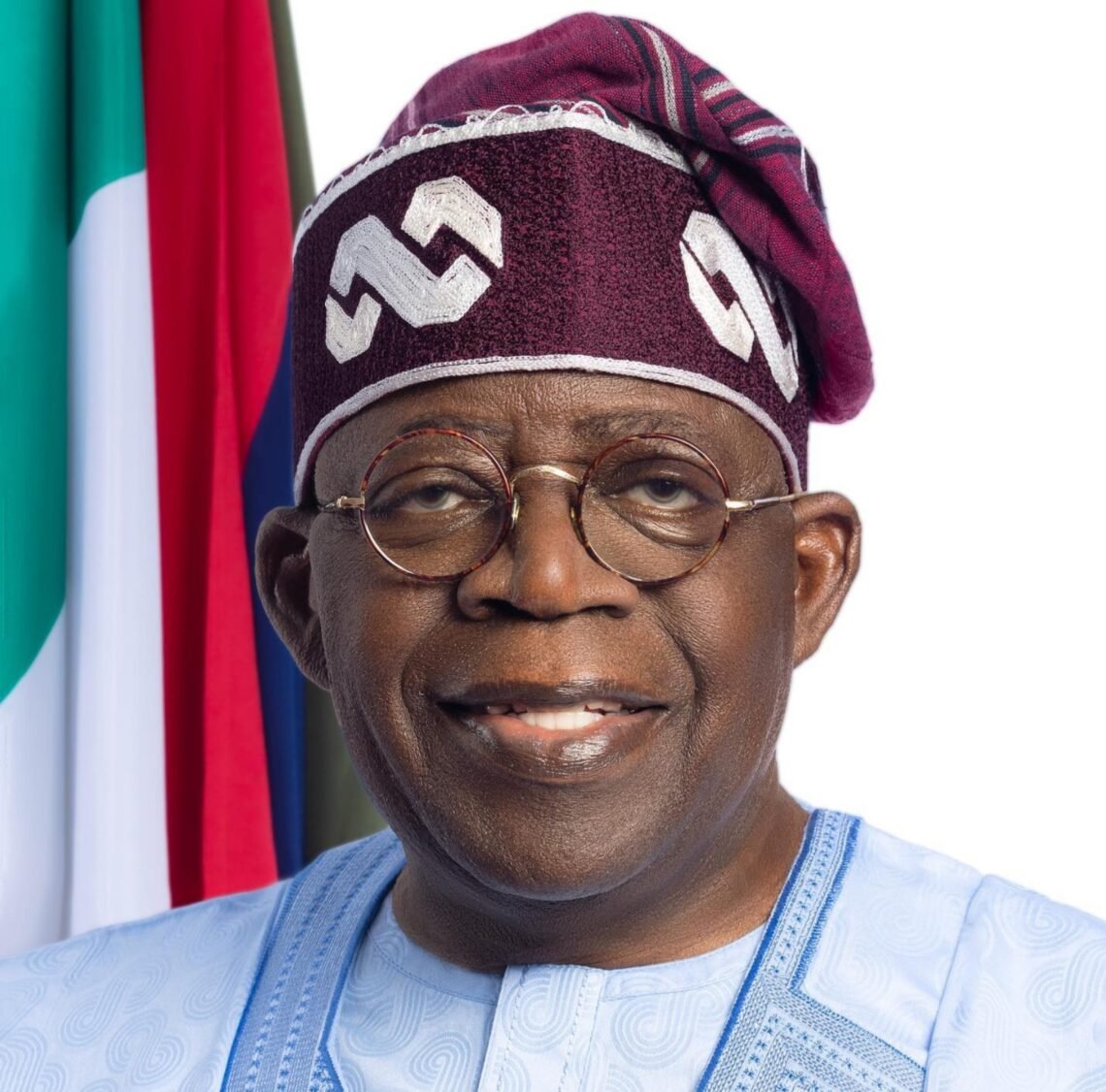
Opposition figures have accused the ruling party, the “All Progressives Congress” (APC), of being behind the decision, arguing that it is part of broader efforts to tighten pressure on political rivals, particularly amid the growing popularity of the new coalition. They also directed criticism at Nigerian President Bola Tinubu, accusing his administration of attempting to weaken the opposition and undermine political pluralism.
The “Democratic Labour Party” includes several prominent opposition figures, led by former Senate President David Mark, alongside key political personalities such as Atiku Abubakar, Peter Obi, and Rabiu Kwankwaso. This lineup has given the coalition increasing political momentum and public support in recent months.
However, this apparent cohesion faces internal challenges, as a rival faction is contesting the legitimacy of the current leadership, arguing that recent appointments violate the party’s internal constitution, thereby intensifying the legal and organizational crisis within the coalition.
Attention is now turning to the Court of Appeal in the capital, Abuja, which is expected to rule on the dispute over the party’s legitimate leadership. The case pits David Mark, seen as the figurehead of the new coalition, against Nafiu Bala Gombe, a former deputy party chairman, who is seeking to halt the coalition’s trajectory and reshape its leadership.
Despite the suspension decision, the opposition coalition continues its political activities, rejecting the commission’s ruling and accusing it of yielding to mounting government pressure as its popularity grows.
The coalition has also warned that the continuation of this situation could lead to the frustration of millions of voters, particularly with the presidential elections scheduled for January 2027 approaching.
Meanwhile, the “Democratic Labour Party” is preparing to hold its national convention on April 14, 2026, aiming to complete its organizational structures and formulate its political program, in an effort to maintain its momentum despite the legal and institutional challenges it faces.