African energy markets are undergoing a profound restructuring phase shaped by three main dynamics: global geopolitical disruptions, domestic production imbalances, and the accelerating transition toward gas and clean energy. This transformation is unfolding amid a global energy shock linked to escalating tensions in the Middle East and oil prices rising above $100 per barrel, which has significantly reshaped market balances.
First: Current Market Situation – Resource Abundance vs. Weak Utilization
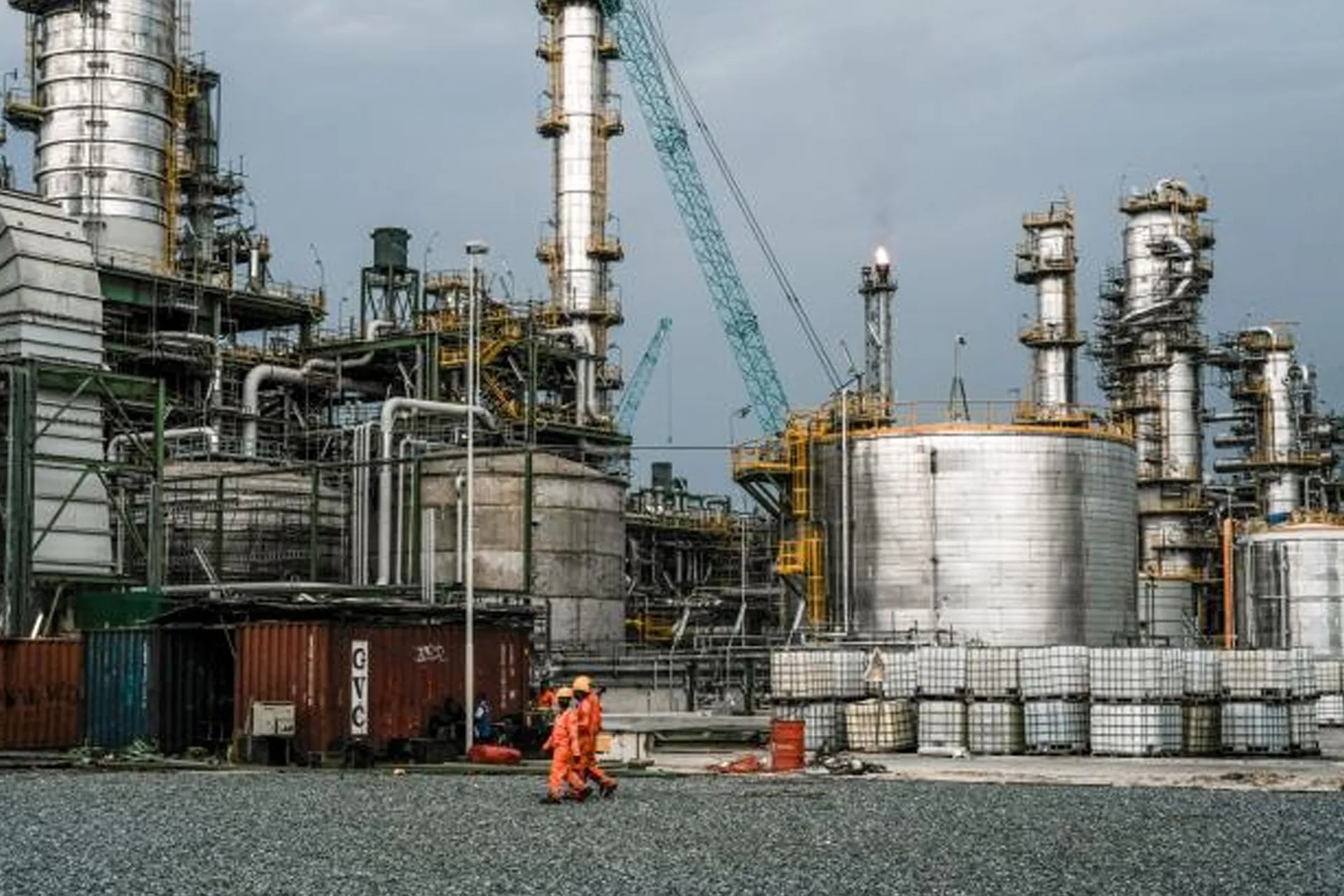
Despite the continent’s large oil and gas reserves, production performance does not reflect this potential. Key producers such as Nigeria, Angola, Algeria, and Libya remain the backbone of African output, yet their export capacity is constrained by:
- Declining investment in maintenance and development
- Aging infrastructure in fields and ports
- Security instability in production zones (notably the Niger Delta, Libya, and the Sahel)
- Weak governance and high operational costs
Recent estimates suggest that Africa’s oil production could reach around 11.4 million barrels per day by 2026, but this growth remains uneven between North and West Africa compared to Sub-Saharan Africa, which continues to face a major investment gap in the energy sector.
Second: Global Shocks – “Africa at the Heart of the Crisis, Not on Its Margins”
The energy crisis linked to the Middle East conflict has demonstrated that Africa is not a passive recipient of shocks but an integral part of the global energy equation. Key impacts include:
1. Rising Prices Without Full Benefit for Producers
Despite oil exceeding $100 per barrel, countries such as Nigeria are not realizing expected gains due to persistent production gaps, turning the price boom into a “missed opportunity.”
2. Dual Pressure on Importers
Non-oil-dependent countries face:
- Rising fuel and food prices
- Higher transport and shipping costs
- Declining remittances from abroad
3. Supply Chain Disruptions
Global maritime chokepoints, especially the Strait of Hormuz, have increased transport costs and disrupted African energy exports.
Third: Structural Shift – Gas as a Strategic Alternative
One of the most important transformations in African energy markets is the gradual shift from oil to natural gas as a more stable and less volatile resource.
Key features of this transition include:
- Expansion of LNG projects in Nigeria, Mozambique, and Senegal
- Cross-border pipeline projects, notably the Nigeria–Morocco gas pipeline
- Rising European demand for African gas as an alternative to Russian supplies
- Long-term investment orientation despite slow returns
This shift reflects a growing recognition that oil alone is no longer sufficient to ensure financial stability amid global market volatility.
Fourth: Nigeria as a Case Study of Crisis and Transition
Nigeria clearly illustrates the gap between potential and reality:
- Multi-billion-dollar losses despite high oil prices
- Production below official targets
- Daily production shortfalls reaching hundreds of thousands of barrels
In contrast, the country is moving toward a strategic gas project with Morocco, reflecting a transition from a traditional oil-based economy to a diversified energy vision.
However, this strategy faces a fundamental question:
Can the energy future be financed while the current production base continues to erode?
Fifth: The Geopolitical Transformation of African Energy
Energy in Africa has become part of a broader geopolitical competition rather than merely an economic sector, as evidenced by:
- Expanding partnerships with the United States, China, and the European Union
- Increasing agreements linking critical minerals and energy resources
- Integration of energy diplomacy with political mediation and regional conflicts
This is particularly evident in cases such as the Democratic Republic of the Congo, where energy agreements intersect with broader political and security arrangements.
Sixth: Structural Risks in the Medium Term
Despite opportunities, African energy markets face three core structural risks:
- Continued fragility of oil production systems
- Weak energy and transport infrastructure
- Heavy reliance on external financing and aid
Furthermore, declining international aid increases pressure on fragile states and limits their ability to invest in the energy sector.
Seventh: Future Trends (2026–2030)
African energy markets are expected to evolve along three main trajectories:
1. Oil Repositioning
Gradual improvement in production levels in major producers without a significant output surge.
2. Rise of Gas as a Central Pillar
Progressive expansion of regional and transcontinental gas projects.
3. Intensifying Geopolitical Competition
Africa increasingly becoming a strategic arena for energy competition among Europe, China, Russia, and the United States.
Strategic Conclusion
African energy markets are entering a phase of “redefinition,” where oil is no longer the sole driver, and gas, infrastructure, and cross-border energy systems are becoming decisive in shaping the sector’s future.
Amid ongoing global shocks, the continent faces a critical equation:
Either transforming the crisis into an opportunity for restructuring the energy sector, or remaining trapped in a cycle of losses driven by production gaps and weak governance.