The government of Senegal has announced the cancellation of 71 mining licences and the freezing of bank accounts belonging to the Industries Chimiques du Sénégal, as part of a broad review of contracts signed with foreign companies exploiting the country’s natural resources.
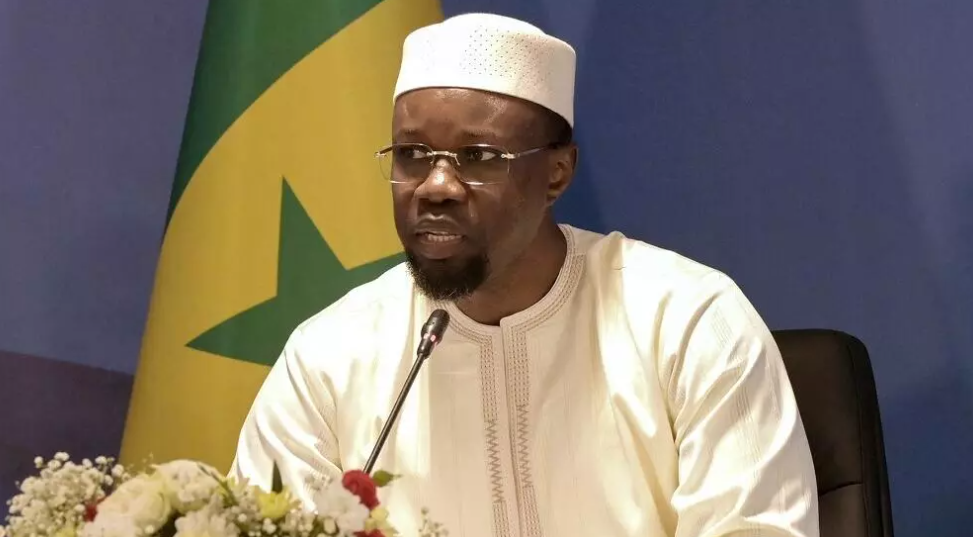
Prime Minister Ousmane Sonko said in remarks to the press that the measures come nearly two years after the current government took office and pledged to reassess agreements concluded with multinational corporations. He added that the state had been subjected to what he described as “serious injustice” in several of these contracts.
Sonko noted that the case involving Industries Chimiques du Sénégal is among the most prominent files uncovered during the government’s review. The company—one of the oldest producers of phosphate fertilisers in Sub-Saharan Africa—was found to have violated several financial and tax obligations.
The company has been controlled by the Indonesian chemical conglomerate Indorama Corporation since 2014. According to the Senegalese government, the country has lost an estimated 1.075 trillion CFA francs (slightly more than €1.5 billion) since that year due to unpaid taxes, fees and tax exemptions that the new authorities consider illegal.
The state has demanded that the company’s owners pay around €381 million, while on 12 March the government announced the freezing of Indorama’s bank accounts until 250 billion CFA francs in outstanding state dues are settled.
The government also decided not to renew three mining concessions previously granted to Industries Chimiques du Sénégal, as part of a plan aimed at the state acquiring all of the company’s assets in preparation for their future use in domestic fertiliser production.
In the same context, the authorities cancelled 71 mining licences, including 14 gold mining permits, after determining that the companies holding them had failed to comply with the contractual obligations agreed with the state.
In his concluding remarks, the prime minister said negotiations are continuing with BP, the operator of the offshore Grand Tortue Ahmeyim gas field shared with Mauritania, to review a contract the government has described as “unfair.”