Reported by The African Report
Nigeria’s test is whether reforms survive social pressure and the run-up to the 2027 elections. South Africa’s test is whether a coalition can deliver growth-enhancing change without collapsing.
Africa’s two powerhouses – South Africa and Nigeria – have spluttered back to life as we predicted in 2024. The risk is not that they stop tomorrow; it is that, without deeper institutional roots, they slip back into the old pattern: a burst of speed followed by a familiar stall.
For a decade, these industrial hopefuls looked stuck in neutral. Nigeria had oil and people but lacked enough dollars, electricity and trust in policy. South Africa had deep capital markets but suffered from weak growth and rolling blackouts. In 2025, both have started to look less like cautionary tales and more like works in progress. Ratings agencies have noticed. The question is whether the momentum can survive politics, vested interests and the next external shock.
Nigeria: The high-wire act
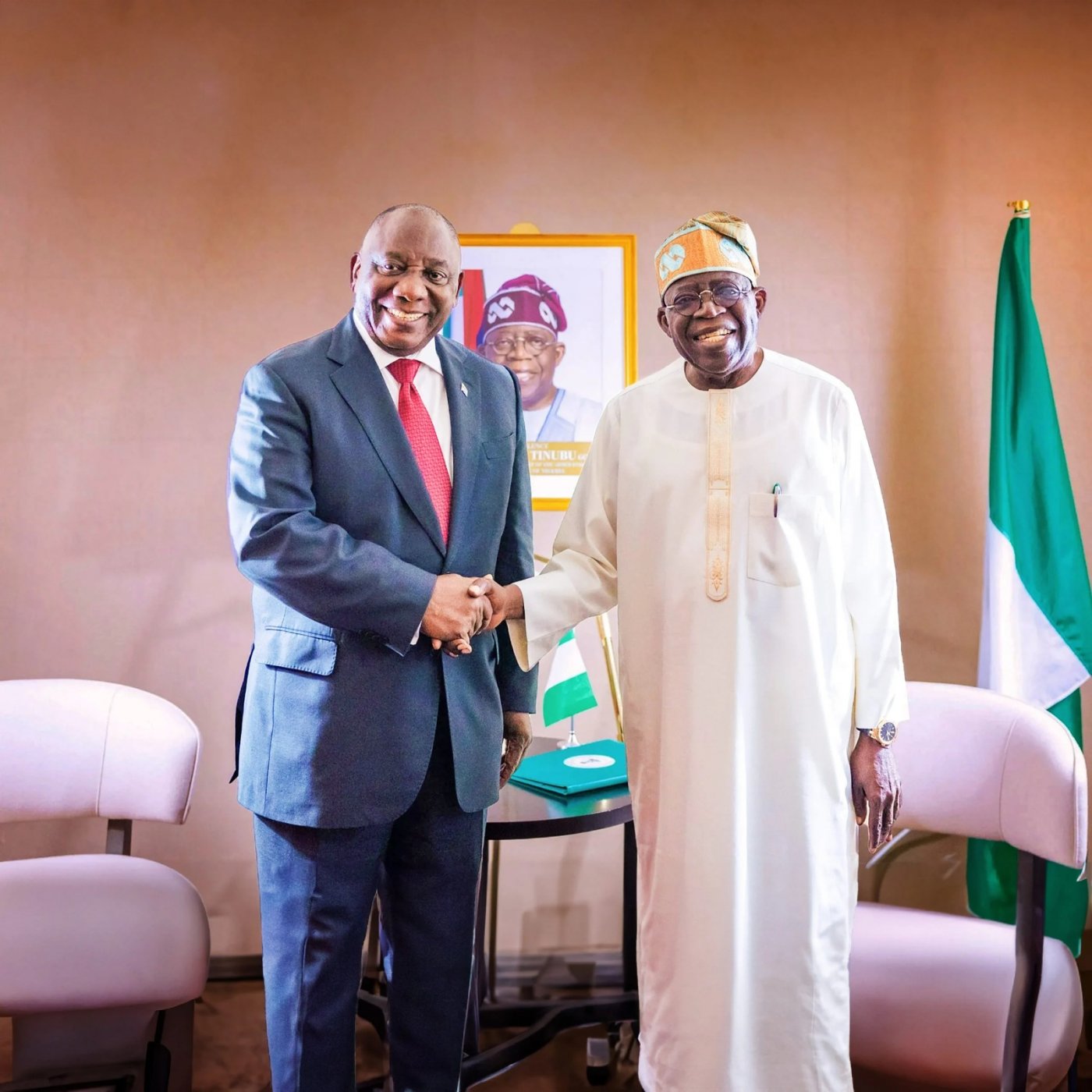
In Abuja, the reform label has often meant a speech rather than a policy. That changed significantly in 2023 when the Bola Tinubu administration ripped off the petrol-subsidy plaster and began dismantling a forex regime that bred rent-seeking.
By mid-2025, results were tangible. Following its 2025 Article IV mission, the International Monetary Fund credited Nigeria with removing subsidies, stopping monetary financing of the fiscal deficit, and improving the functioning of the forex market. However, IMF Mission Chief Axel Schimmelpfennig added a sobering caveat: “Gains have yet to benefit all Nigerians as poverty and food insecurity remain high.”
President Tinubu, in his 2025 second-anniversary address, remained steadfast: “Despite the bump in the cost of living, we have made undeniable progress … Our economic reforms are working.” This confidence is backed by the markets.
Fitch upgraded Nigeria to B in April 2025, citing better policy credibility and lower near-term risks. Moody’s followed in May, lifting the nation to B3 as external and fiscal positions improved after an overhaul of forex management. S&P has kept the rating at B-/B but shifted the outlook to positive in November, betting that subsidy removal and freer currency trading will pay off over time.
Yet, Nigeria’s recovery feels like a high-wire act. Reform is real, but so is the pain. Higher pump prices and currency adjustments feed directly into living costs. The Lagos Chamber of Commerce and Industry noted that: “Because fuel is integral to every facet of life, subsidy removal has been a major driver of high food prices, transportation, energy costs and, generally, the cost of living”.
As Nigeria heads into a feverish election season with the competition for 2027 heating up, the temptation for a temporary return of subsidies or stealth controls remains high. Oil remains the nation’s mood swing – a softer price or a production wobble can drain forex liquidity and revive rationing instantly. Security shocks, such as those impacting food inflation, can do the same. In short, the trajectory is improving, but it is not yet institutionalised enough to be difficult to reverse.
The ‘Dangote effect’ adds another layer of complexity. By late 2025, the $20bn Lagos refinery became a central pillar of the energy transition, aiming to supply 1.7 billion litres of petrol per month by early 2026. This does more than shrink Nigeria’s import bill; it positions the country to export gasoline to neighbours like Cameroon. However, the refinery is powerful enough to rattle regulators and has helped trigger a shake-up at Nigeria’s oil agencies.
South Africa: Fixing the plumbing
Pretoria’s story is less about rewriting the macro rulebook and more about fixing the structural plumbing. The standout improvement has been electricity supply. After years in which load-shedding became a synonym for national decline, power cuts have eased from their worst levels, lifting sentiment and lowering one of the biggest drags on growth.
By September 2025, Eskom’s energy availability factor surpassed 70%, achieving over 130 consecutive days without load-shedding.
The market sentiment has shifted accordingly. Leila Fourie, CEO of the Johannesburg Stock Exchange, noted the “striking” change in mood. “Credible policy, disciplined execution and ongoing collaboration … are rebuilding the foundations of stability”.
In November, S&P upgraded South Africa’s sovereign rating to BB – the first upgrade in nearly two decades – citing improved growth prospects, a stronger fiscal outlook and reduced risks around Eskom. The national treasury noted that “the upgrade reflects improving growth and fiscal trajectory, alongside reduced contingent liabilities tied to Eskom”.
But South Africa’s gains are also fragile. The country now governs through the Government of National Unity (GNU), which can broaden legitimacy but also paralyse decision-making. Reform needs steady execution in freight rail, ports and municipal services – areas where payoffs take longer than in electricity. Operation Vulindlela remains the primary vehicle for these changes, targeting the entry of private train operating companies into the freight rail network this year.
Investment remains the missing ingredient: without a sustained lift in private capital spending, even better power supply will not translate into the sort of growth that repairs unemployment and keeps populism at bay.
The 2026 outlook: Credibility vs fatigue
The parallels between the two giants are instructive. Both are rewarded for policy credibility. Both have tried to reduce the state’s role as a choke-point – Nigeria by shrinking the rents in fuel and forex; South Africa by loosening the grip of failing state monopolies. Both face the same enemy: reform fatigue, when early wins give way to slower, messier battles.
The contrasts count. Nigeria’s fate is still tethered to oil and the politics of prices. South Africa’s is tethered to productivity, logistics and the confidence of investors who can afford to wait.
Nigeria’s test is whether reforms survive social pressure and the run-up to the 2027 elections. South Africa’s test is whether a coalition can deliver growth-enhancing change without collapsing into factional vetoes.
If these engines stay on, the continent moves; if they stall, West and Southern Africa face another lost decade.